A wire harness sample fits the equipment and passes the requested checks. Procurement is ready to order the first production lot. Before that order is released, ask a different question: can the approved configuration be identified and reproduced without relying on the sample alone?
A reference sample shows one physical build. It does not necessarily record an approved alternative material, a temporary hand-written label or an unresolved drawing note. A short release package connects that sample to the documents, inspection rules and decisions that govern repeat orders.
1. State what the sample approval actually covers
Identify whether approval covers mechanical fit, wiring and function, environmental validation, appearance or a defined combination. Include sample identification, test records and outstanding items. A fit-check approval should not be interpreted as approval for an untested sealing requirement or unrestricted production.
Record any temporary deviation separately: what differs from the intended product, why it was accepted, the quantity or time limit, and the person authorized to approve it. Close the deviation or explicitly extend its permitted scope before it reaches the next lot.
2. Freeze the drawing, BOM and wiring together
The release package should identify one assembly part number and revision, its bill of materials and its point-to-point wiring table. Link connector ends, branches, splices, length datums and label locations to the same configuration. Resolve conflicts between the drawing and wiring table before release rather than asking production to choose one.
List approved connector housings, terminals, seals and cable specifications. Where alternatives are allowed, name the approval rule and any validation needed. A familiar housing shape, matching wire color or nominal conductor size is not enough to identify the approved material.
3. Turn sample checks into a production inspection plan
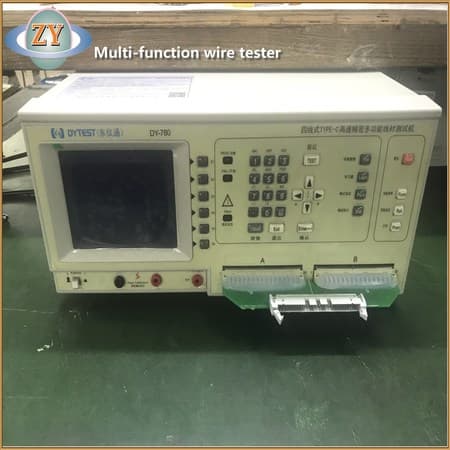
For each required characteristic, identify the method, acceptance criterion, inspection frequency and record. Distinguish checks on every assembly from sampled or destructive checks. For example, an agreed every-piece wiring test and a sampled terminal pull test serve different purposes; neither silently substitutes for the other.
Define the test fixture or program revision where relevant. If insulation, withstand, sealing or environmental testing is required, specify the conditions and whether it applies to first articles, qualification samples or production lots. A continuity result is not evidence of every possible electrical or environmental property.
For crimped terminations, attach the applicable terminal-and-wire requirements and agree how setup verification and out-of-limit results are handled. The terminal crimp quality guide explains why visual inspection, dimensions and mechanical checks need complementary roles.
4. Make identification and packaging part of the release
Confirm assembly marking, drawing revision, lot identification and the relationship between product, bag and carton labels. Provide a readable label example and its required location. Define which records must travel with the shipment and which are retained for traceability.
State protective packaging and handling needs, such as keeping contacts protected or avoiding tight bends near a connector exit. Confirm whether individual packaging, grouped sets or customer assembly sequences matter. Packaging approved for a few hand-carried samples may not describe the intended delivery method for a production lot.
5. Review the first production lot and future changes
Agree the first-lot review scope, responsible approver and release evidence before production starts. Confirm that the lot was made to the released documents and that any permitted deviations are identifiable. A retained reference sample can help compare appearance and routing, but the controlled specification remains the acceptance basis.
Require a defined review before changing connector or terminal sources, cable construction, routing, tooling, the production process or test methods where these affect approved requirements. Record affected part numbers and lots, the risk being evaluated, the required revalidation and approval. Separate a proposal from permission to implement it.
The minimum release package
Keep these items together: approved drawing and BOM; wiring table; sample approval and closed deviations; inspection plan; label and packaging requirements; first-lot release responsibility; and the change-approval process. Every remaining open item should have an owner and a closure point. Do not release a critical undefined characteristic on the assumption that the physical sample explains it.
This is a practical project checklist, not a claim that one document package meets every customer's submission or regulatory requirements. If your project requires a particular customer approval process, include it in the scope before quotation.
For a custom wire harness or cable assembly, send the approved sample information and current release documents through Request a Quote. If the specification is still being prepared, start with the wire harness RFQ checklist and label the remaining decisions.